Full recording of 2m2x Ep. 143, Why Most AI Agents Will Fail
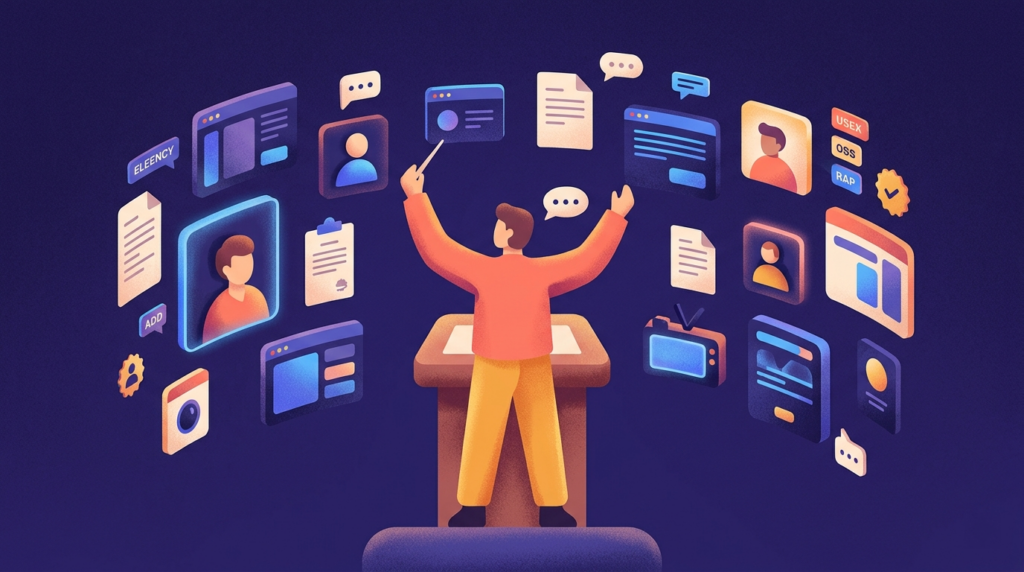
Is traditional software engineering already obsolete? With AI now writing, testing, and deploying code, the role of the engineer is rapidly shifting. In this episode, we break down the rise of agentic engineering, where developers move from coding to orchestrating outcomes, and what this means for teams, skills, and the future of building software.
Traditional software engineering is being fundamentally disrupted by AI. That gap is not a technology problem. It is an organizational and architectural problem, and it is one that separates the enterprises building durable competitive advantages from those chasing capabilities they do not yet know how to use.
The organizations getting this right are not necessarily the ones with the most advanced AI. They are the ones with the clearest thinking about what AI changes, what it does not, and what it takes to move from experimentation to production.
Code generation is now mainstream
AI writes, tests, and deploys The implications run deeper than they first appear. Most organizations recognize the surface-level change but underestimate the second and third-order effects on team structure, decision-making authority, and the systems that support both.
The developer role is shifting from coder to outcome orchestrator
The developer role is shifting from coder to outcome orchestrator This is where organizations that invested early in the right foundations begin to separate from those that treated the capability as a bolt-on rather than a structural shift.
“Developers are shifting from writing code to orchestrating outcomes, as agentic systems now handle writing, testing, and deploying”
Agentic engineering changes team structures and required skills
Agentic engineering changes team structures and required skills The compounding nature of this shift is what makes the timing consequential. Advantages established now become harder to close, not easier. Organizations that act on the architecture before the window narrows will have optionality that late movers will not.
Organizations that adapt fastest will gain a structural advantage
Organizations that adapt fastest will gain a structural advantage The organizations building this discipline now are not just solving today’s problems. They are establishing the governance and engineering foundations that will determine what they can build next.